
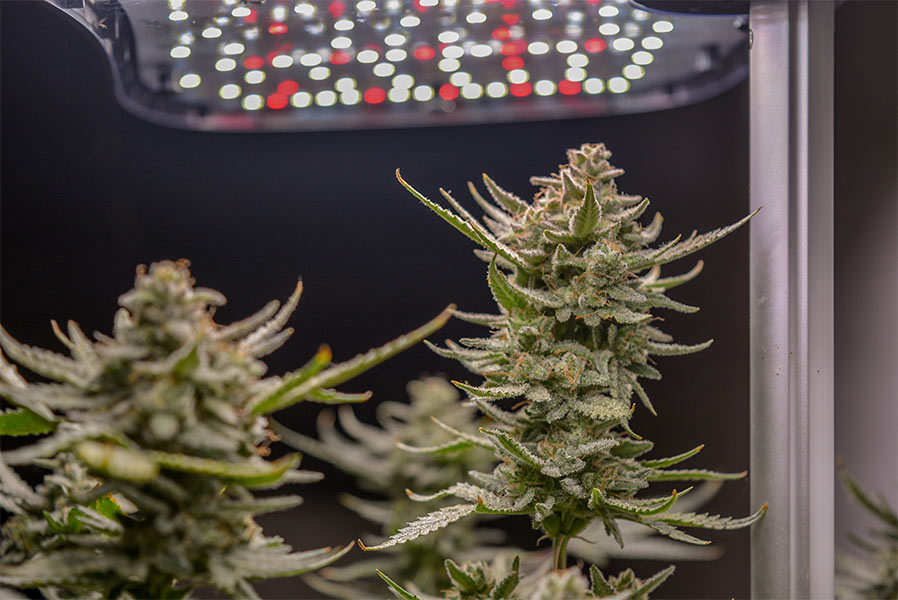
Autoflowerx.com: Discover the world of autoflowering cannabis cultivation. Dive into genetics, breeding tips, and innovative experimental growing techniques tailored for small spaces. Whether you’re a seasoned grower or just starting out, our resources will help you achieve thriving plants with ease. Explore, learn, and grow with us!
-
After experimenting with a soil-to-hydro transplant that yielded a surprisingly resinous bloom, I set out to try something new: running the full cycle — from seed to harvest — using only a compact kitchen hydroponic system. This isn’t a high-end grow setup. No grow tents, no fans, no carbon filters. Just a basic kit, a lot of curiosity, and the goal of seeing how far I could take it. This grow is for anyone who wants: ✅ Compact but high-quality results✅ A grow that fits in small spaces — no indoor…
-
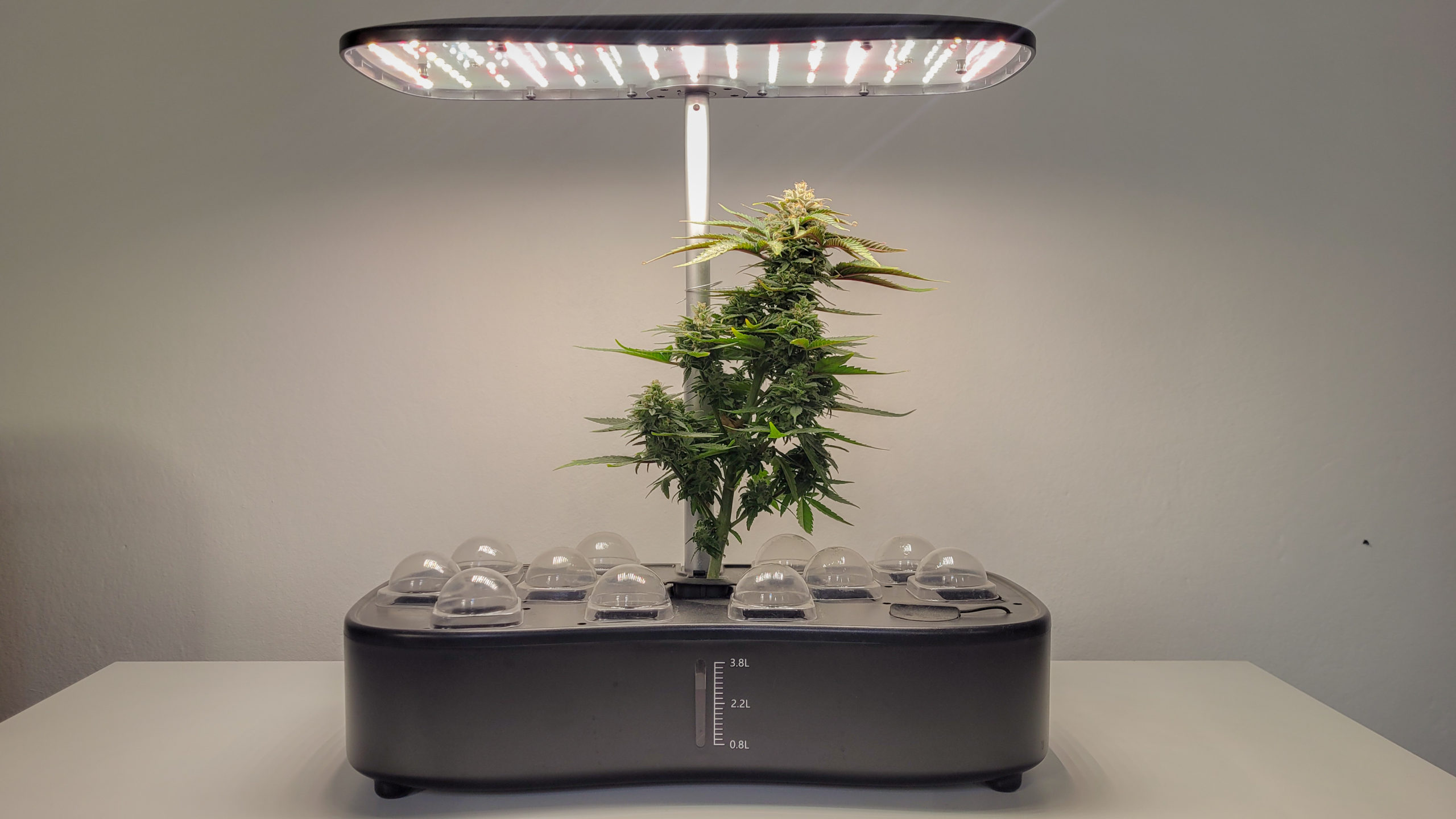
Cannabis Auto in Hydroponic Growing System Kit
Introduction Growing autoflowering cannabis in hydroponic systems is an efficient way to achieve high-quality buds in small spaces. This article explores using the Hydroponic Growing System Kit to optimize plant growth from germination to harvest. We provide a step-by-step guide, nutrient feeding tips, and insights from our experiment. As a grower, I have always looked for ways to innovate and have fun.. Let’s do an experiment. As many of us know, the quality of an indoor-grown bud is often superior to that of an outdoor grow. However, setting up an indoor…
-
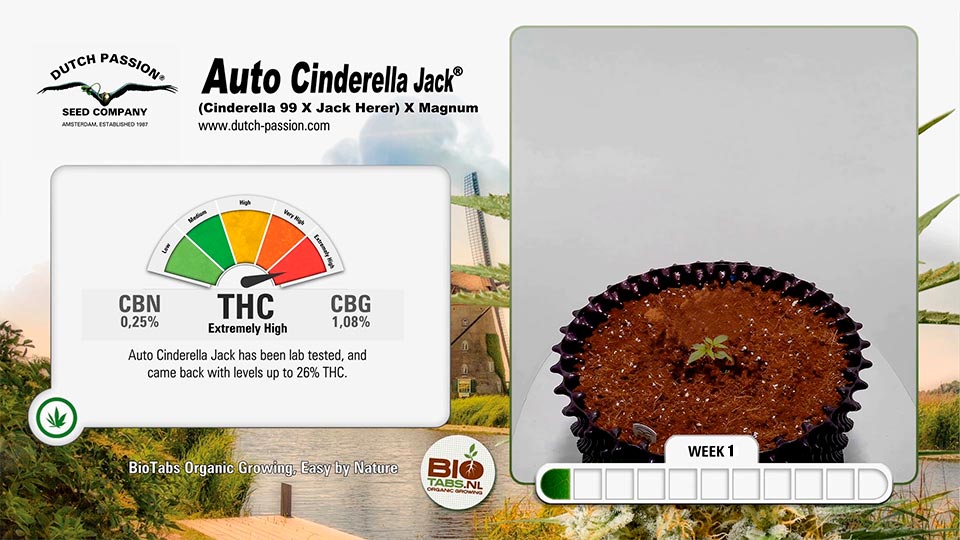
Autoflower week by week pictures and videos
If you’ve reached this page, you’re probably growing your own autoflower and you’re interested in checking if everything is going well. A good way to do this is by comparing with photos or (as we propose here) small video clips, where we break down the growth of two strains, Blue Berry and Cinderella Jack, one Indica and one Sativa (both from the Dutch Passion seed bank). It’s also important to remember that each strain has its own growth timeline. This means that you might see a significant difference between these examples…
-
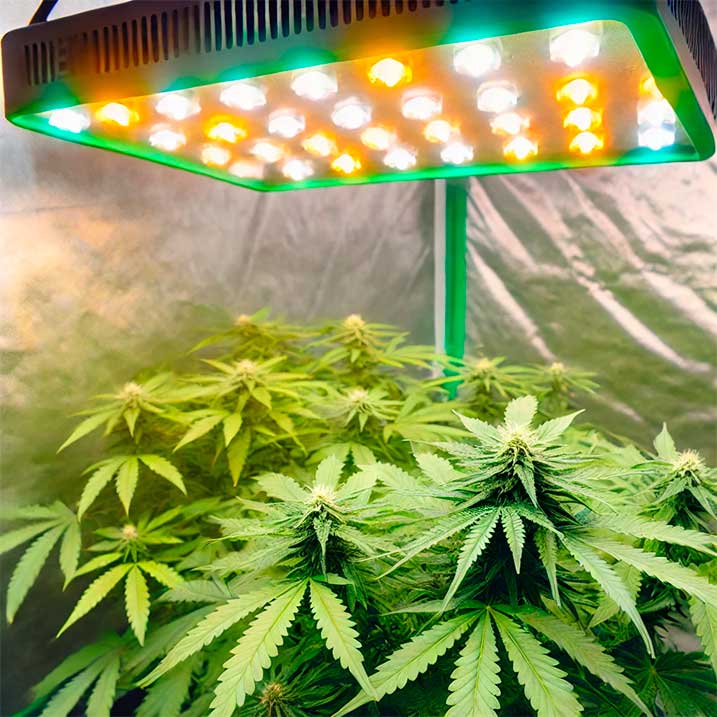
All about light cycle for AutoFlowers
First of all, it is essential to understand that plants perform different chemical processes in darkness and light, adapting to environmental conditions for their survival and growth. In the Light: During the day (or under artificial lights), plants carry out photosynthesis, a process that converts light, carbon dioxide (CO2), and water (H2O) into oxygen (O2) and glucose (C6H12O6). Light is captured by chlorophyll in the leaves, allowing the transformation of solar energy into chemical energy stored in glucose, a sugar that serves as a source of energy and building material for…